Visual Studio March 2026 Update Brings Custom Copilot Agents to the Forefront

Visual Studio’s March 2026 update introduces a major shift toward customizable AI-driven development with the ability to build your own Copilot agents. Developers can now create specialized agents tailored to their workflows, integrating internal tools, knowledge sources, and automation capabilities directly into the IDE. The release also brings enhancements in diagnostics, performance profiling, and security, further embedding AI into everyday development tasks.
Here’s what you need to know:

  • Build your own custom agents

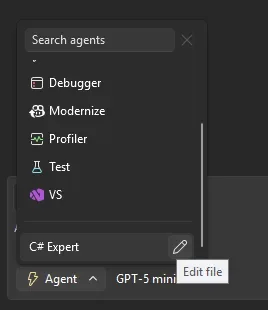
    Create specialised GitHub Copilot agents using .agent.md files in your repo. These agents come with full workspace awareness, code understanding tools, model flexibility, and MCP connections to external knowledge sources.

  • Use agent skills

    Skills are automatically discovered from locations like .github/skills/ or ~/.copilot/skills/. Each skill lives in its own directory with a SKILL.md file—and when activated, it’s visible in chat so you know exactly what’s being applied.

  • Smarter refactoring with find_symbol

    The new find_symbol tool lets agents locate references across your codebase and access metadata like types, declarations, and scope—making refactoring far more accurate and context-aware.

  • Enterprise MCP governance

    Admins can now enforce allowlists for MCP servers via GitHub, ensuring only approved external connections are used within the organisation.

  • Profile tests with Copilot

  • Run performance profiling directly from Test Explorer. Copilot analyses CPU usage and instrumentation data to deliver actionable insights—instantly.

  • Perf tips powered by live profiling

    Optimise code while debugging. Visual Studio now surfaces execution time inline, and with a click, Copilot can suggest improvements on the spot.

  • Fix vulnerabilities faster

    When a vulnerability is detected, Copilot can recommend and apply dependency updates directly from Solution Explorer—helping you stay secure without slowing down.

  • HTML rich copy/cut

    Copy or cut code with formatting intact. Syntax highlighting now carries over seamlessly into HTML-based apps.

Unlock the power of AI to transform how you work in Dynamics 365 and Power Apps. Discover Infinity AI Agents—built to streamline tasks, boost productivity, and elevate your workflows. Get in touch with us today to see it in action.
Power BI Mobile Gets Full Chat Experience with Copilot

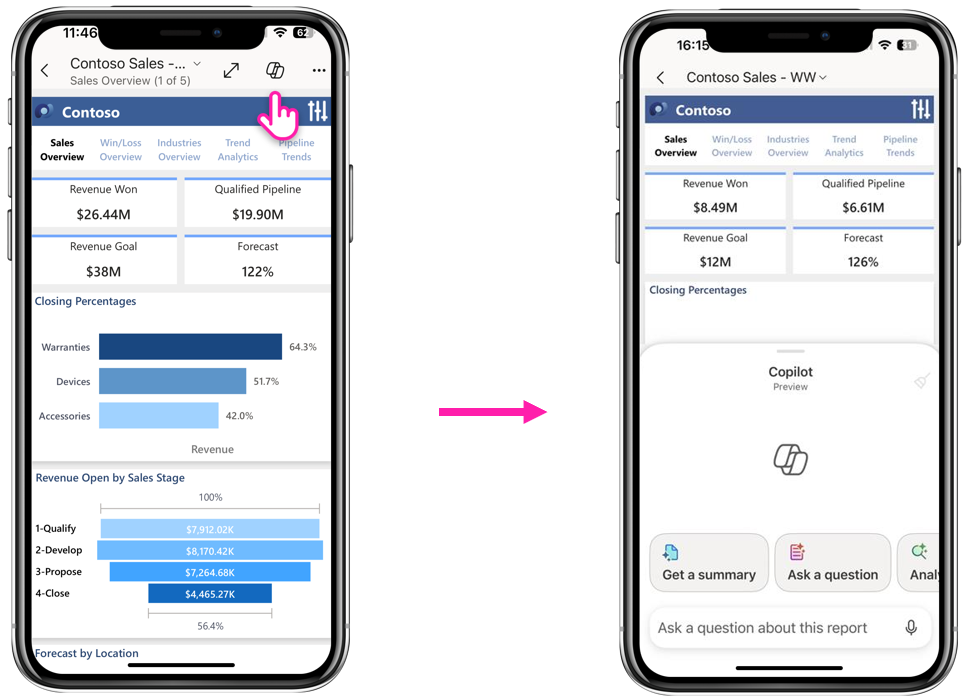
Microsoft Power BI is expanding its mobile capabilities with a new preview feature that allows users to chat directly with Microsoft Copilot inside reports. This update transforms the mobile experience from static summaries into a full conversational interface, enabling users to ask questions and explore insights on the go. It builds on earlier Copilot functionality by making data interaction more dynamic, intuitive, and accessible within the Power BI mobile app.

Here’s what you need to know:

  • Get started instantly

    Tap the Copilot button in any eligible report to generate summaries, ask questions, and explore insights using suggested prompts—all in seconds.

  • Turn data into insights—faster

    Just like in Power BI Service, Copilot analyzes your report in real time—surfacing insights that would otherwise take time to uncover, all grounded in your report data.

  • Go deeper with interactive insights

    Copilot pairs answers with visuals you can tap, explore, and trace back to source data—making it easy to dig deeper and refine your questions.

  • Built for mobile productivity

    Share insights on the go, copy responses in one tap, or use voice features like dictation and read-aloud for a hands-free experience.

Unlock the full potential of business intelligence with Power BI. Contact us today to turn your data into smarter decisions.

Generative AI for Beginners .NET Gets Major Overhaul with Version 2

Microsoft has released Version 2 of its free “Generative AI for Beginners .NET” course, fully rebuilt to align with the latest .NET 10 platform. The updated curriculum introduces a streamlined five-lesson structure, modern AI abstractions, and refreshed hands-on samples to help developers build production-ready AI applications. It also reflects the latest advancements in agent-based systems and responsible AI practices.

Here’s what’s new:

  • A refreshed learning journey

    Five fully rewritten lessons guide you step-by-step—from generative AI fundamentals to advanced techniques, real-world patterns, agent development, and responsible AI.

  • Built for modern .NET

    All samples now align with the latest .NET practices, including dependency injection, middleware pipelines, and file-based apps. Authentication is simplified with Azure CLI—log in once and you’re set across all samples.

  • Simpler AI development with Microsoft.Extensions.AI

    Version 2 introduces Microsoft.Extensions.AI as the foundation—bringing familiar .NET patterns and reducing complexity. Less setup, cleaner code, and more focus on building.

  • Cleaner, more focused samples

    Legacy samples have been moved aside to prioritize a stronger learning path. Updated examples now rely on modern, native SDKs—making it easier for beginners to follow and apply.

  • Introducing the Microsoft Agent Framework

    Lesson 4 now covers agent-based development, including multi-agent orchestration and real-world use cases like PDF ingestion and chat workflows.

  • Global-ready content

    Updated across 8 languages (Chinese, French, Portuguese, Spanish, German, Japanese, Korean, and Traditional Chinese) to support learners worldwide.

  • Getting started is easy

    Choose your provider, open Lesson 1, and build your way through all five lessons—each one designed to level up your AI skills.

Build AI-powered agent actions seamlessly within Dynamics 365 and Power Apps using Infinity AI Agents. Get in touch today to see how you can bring intelligent automation into your workflows.

Dynamics 365 Contact Center Levels Up with Advanced Transfer Features

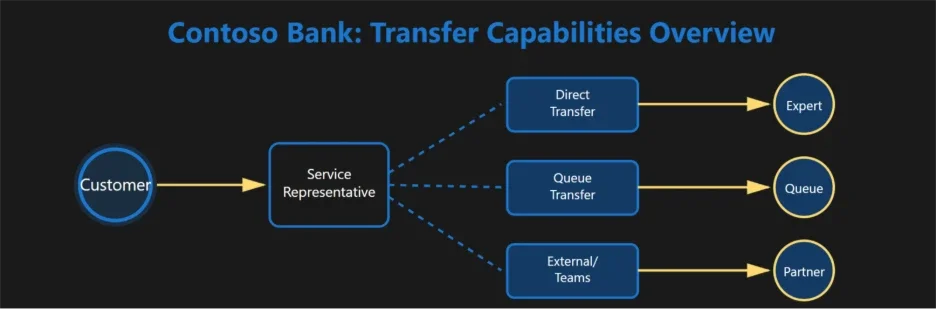
Microsoft has introduced new transfer capabilities in Dynamics 365 Contact Center, designed to improve how service teams handle and route customer conversations. The update enables smoother transitions between agents, specialists, and external partners, helping reduce disruptions and improve resolution speed. These enhancements build on the platform’s broader push toward more efficient, AI-powered customer service operations.

Here’s how your service team can stay in control:

Direct Transfer

Instantly move a conversation—voice or digital—to another representative without a consult step.

  • Warm Transfer

    Consult with an expert while the customer is on hold, ensuring a confident and well-informed handoff.

  • Transfer to Queues

    Route conversations into queues where intelligent logic assigns the best available representative based on expertise or workload.

  • Transfer to External Numbers (PSTN)

    Extend support beyond your organization by transferring calls directly to external phone numbers—without breaking the customer experience.

  • Transfer to Microsoft Teams Users

    Bridge your contact center with collaboration tools by routing conversations directly to Teams users.

  • Wrap-Up After Transfer

    Give representatives dedicated time to document interactions, update records, and complete compliance steps before taking the next request.

  • Filtered Transfer

    Reduce errors and speed up routing by showing only relevant queues or users—so your team can transfer with confidence.

Strengthen every customer interaction with a smarter Customer Relationship Management solution. Get in touch with us today.

Power BI Introduces TMDL View on the Web (Preview)

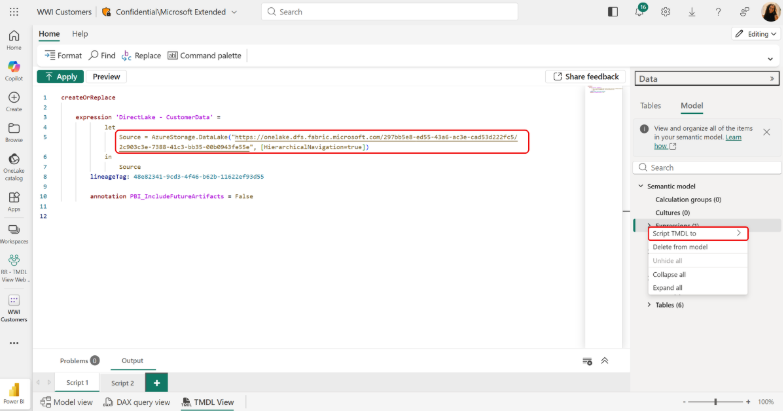
Microsoft has introduced TMDL View on the Web (Preview), bringing a code-first semantic modeling experience directly into the Power BI browser environment. This new capability allows developers to view and edit semantic models using Tabular Model Definition Language (TMDL) without relying on desktop tools. As part of the broader shift to web-based development, it aims to streamline workflows and enable faster, more flexible model updates.

Here’s what you need to know:

  • What is TMDL View on the Web?

    This new Power BI feature lets you view and edit semantic models directly in the browser using a powerful code editor—bringing greater transparency, control, and efficiency to your development workflow.

  • Benefit 1: Explore your model with full visibility

    Access all objects and properties—including advanced ones not available in the standard UI—making it easier to understand and manage your model.

  • Benefit 2: Boost development efficiency

    Work faster with a modern code editor featuring IntelliSense, bulk editing, and search-and-replace. You can also leverage AI tools like GitHub Copilot to assist with writing TMDL scripts.

  • Benefit 3: Edit beyond UI limitations

    Modify advanced properties (like partition definitions or isAvailableInMdx) directly in the browser—no external tools required.

  • Benefit 4: Improve reuse and collaboration

    Share TMDL scripts to easily reuse semantic model components across teams and projects.

Read how Power BI empowered the Independent Police Conduct Authority to gain visibility into case categorisations and allocations per person. Want to experience the benefits of Power BI? Contact us today!

Microsoft Unveils March 2026 Power Platform Enhancements

Microsoft has rolled out its March 2026 Power Platform updates, highlighting continued investment in AI, automation, and user-centric app design. The latest features aim to streamline development while enabling more intelligent, connected business applications.

Here’s what’s new:

  • Agentic apps with Microsoft 365 Copilot

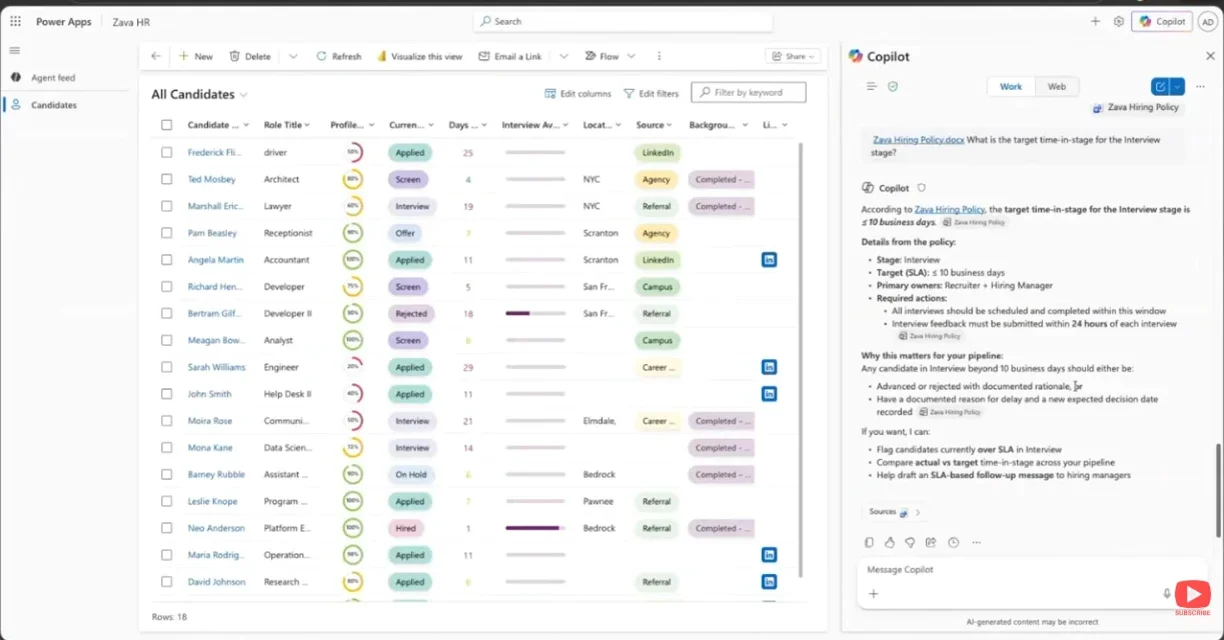
    Bring Copilot into model-driven apps to interact with your data using natural language. Generate documents, create presentations, visualize insights, and even schedule meetings—right from within your app.

  • Modern app building improvements

    Canvas apps just got better. Microsoft rolled out quality updates across nine modern controls—enhancing consistency, reliability, and flexibility based on real maker feedback.

  • AI-powered development with vibe.powerapps.com

    Build full-code Power Apps from a simple prompt. This new preview experience streamlines app creation, editing, and publishing—no need for VS Code or manual coding.

  • Advanced process insights in Power Automate

    Object-Centric Process Mining (OCPM) provides a more realistic view of your processes by tracking interconnected business objects like orders, invoices, and payments—giving you deeper, end-to-end visibility.

  • Smarter experiences with Power Pages

    The new Agent API enables seamless integration with Microsoft Copilot Studio, making it easier to build intelligent, conversational web experiences tailored to your users.

Check out the full list of Power Platform updates!

See how Power Platform helped the Cook Islands Development Agency New Zealand achieve their goals—get in touch with us today to start your own success story.

What’s New in Power BI: March 2026 Feature Highlights

Power BI’s March 2026 release delivers a set of improvements aimed at streamlining report creation and expanding analytical capabilities. From enhanced AI experiences to more flexible reporting tools, the update focuses on empowering users to work more efficiently with their data. It reflects Microsoft’s continued investment in intelligent, end-to-end analytics.

Here’s what’s new across Copilot, reporting, modeling, and data connectivity:

  • Copilot & AI: Copilot Pane User Experience Update

    The Copilot pane in Reports and Apps now has a refreshed, consistent look and feel. Functionality remains the same—but starter prompts now disappear once your conversation begins, keeping your workspace clean and focused.

  • Reporting: AI Narrative Auto Refresh

    No more manual refresh clicks. With the new Auto refresh toggle for AI Narrative visuals, summaries automatically update based on slicer selections—making your reporting smoother and more intuitive.

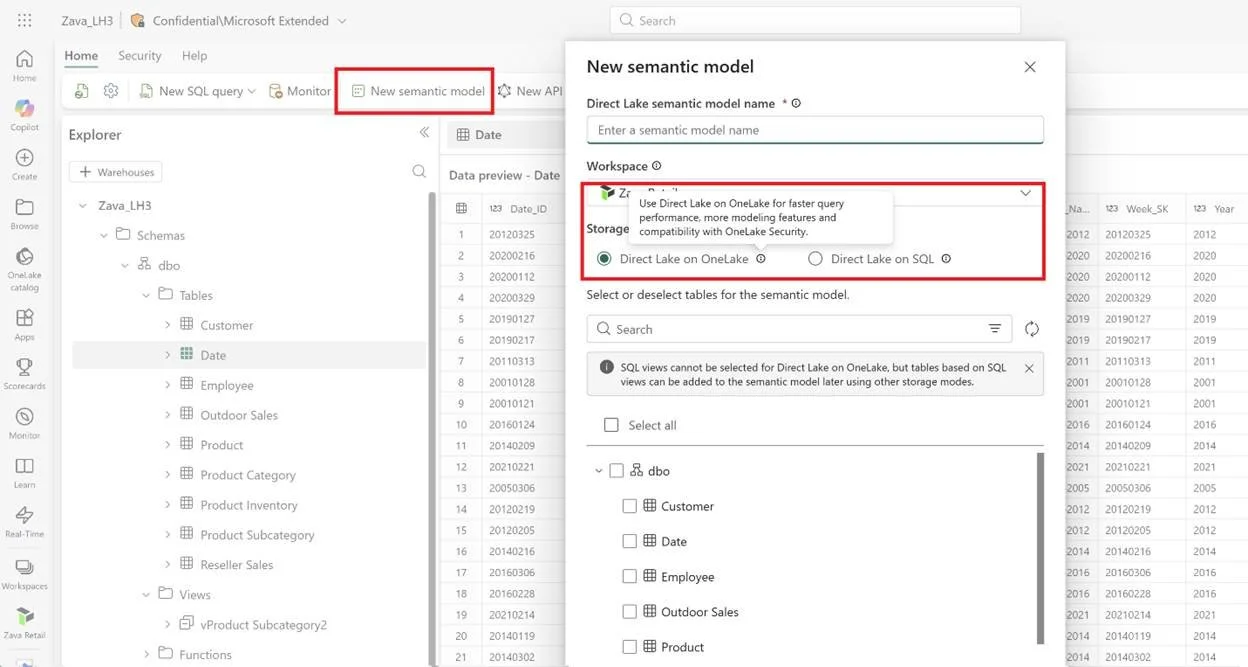
  • Modeling: Direct Lake in OneLake (Generally Available)

    Power BI continues its push toward open data standards by supporting Delta Lake and Parquet. This helps reduce data duplication, avoid vendor lock-in, and establish a true single source of truth. Plus, Direct Lake mode delivers faster performance directly from OneLake—no need for heavy data refreshes.

  • Data Connectivity: IBM Netezza ODBC Driver (Generally Available)

    A more reliable path forward for Netezza users—Power BI is transitioning from the embedded Simba driver to the IBM Netezza ODBC driver, ensuring long-term support and stability.

  • Visualisation: Sankey Chart by Powerviz

    The Powerviz Sankey Chart brings data to life with dynamic flow visuals—perfect for understanding movement across categories and uncovering insights in complex processes.

Check the full list of Power BI updates.

Turn your data into actionable insights with Power BI. Unlock the full potential of Business Intelligenceget in touch with us today to get started.

Power BI’s Semantic Layer Push Signals the Future of AI Analytics

Microsoft is positioning semantic layers in Power BI as a critical foundation for enterprise AI, enabling more consistent, trustworthy, and scalable insights. By standardizing business logic and data definitions, these layers help AI systems deliver accurate answers across tools and users. The move reinforces how modern analytics platforms are evolving to support AI-driven decision-making at scale.

Here’s what’s new:

  • Translytical flows

    Power BI is no longer just for reporting. Users can now take action directly within reports—update records, trigger workflows, and resolve issues in real time without switching systems.

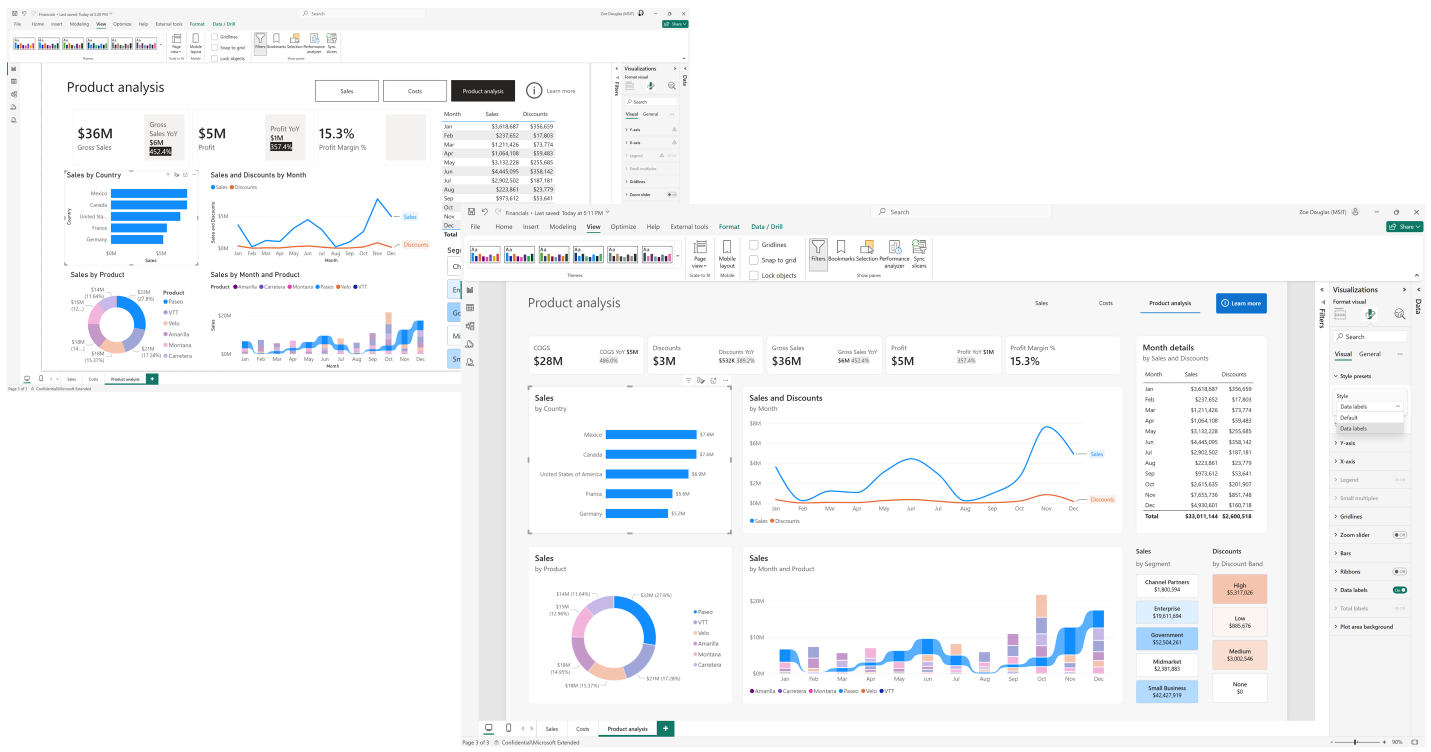
  • Modern visual defaults

    Create polished, consistent reports instantly. With Fluent 2-aligned themes, your visuals look professional right out of the box—so you can focus on insights, not formatting.

  • Report Copilot for Mobile

    On the go? Ask questions via voice or text in the mobile app and get instant answers or visuals powered by Copilot.

  • TMDL View in the Web (Preview)

    A code-first modeling experience is coming to the browser. View, edit, and manage semantic models with greater transparency and efficiency using TMDL.

  • Direct Lake on OneLake

    Work with open formats like Delta Lake and Parquet while reducing data duplication. Direct Lake unlocks faster performance and near real-time insights.

  • Direct Lake calculated columns (Preview)

    Extend your data model when upstream changes aren’t possible by adding calculated columns directly within Direct Lake tables.

Read how Power BI empowers the Independent Police Conduct Authority to see their data at a higher level in our case study. Got questions? Contact us today!

Power Automate Enhances Work Queues with Smarter Monitoring and Alerts

Microsoft has introduced new enhancements to work queues in Power Automate, aimed at improving how teams manage and monitor automated workflows. The updates include proactive alerts and a unified operator view, helping organisations gain better visibility and respond to issues faster. Together, these features are designed to strengthen control and efficiency across automation operations.

Here’s what’s new:

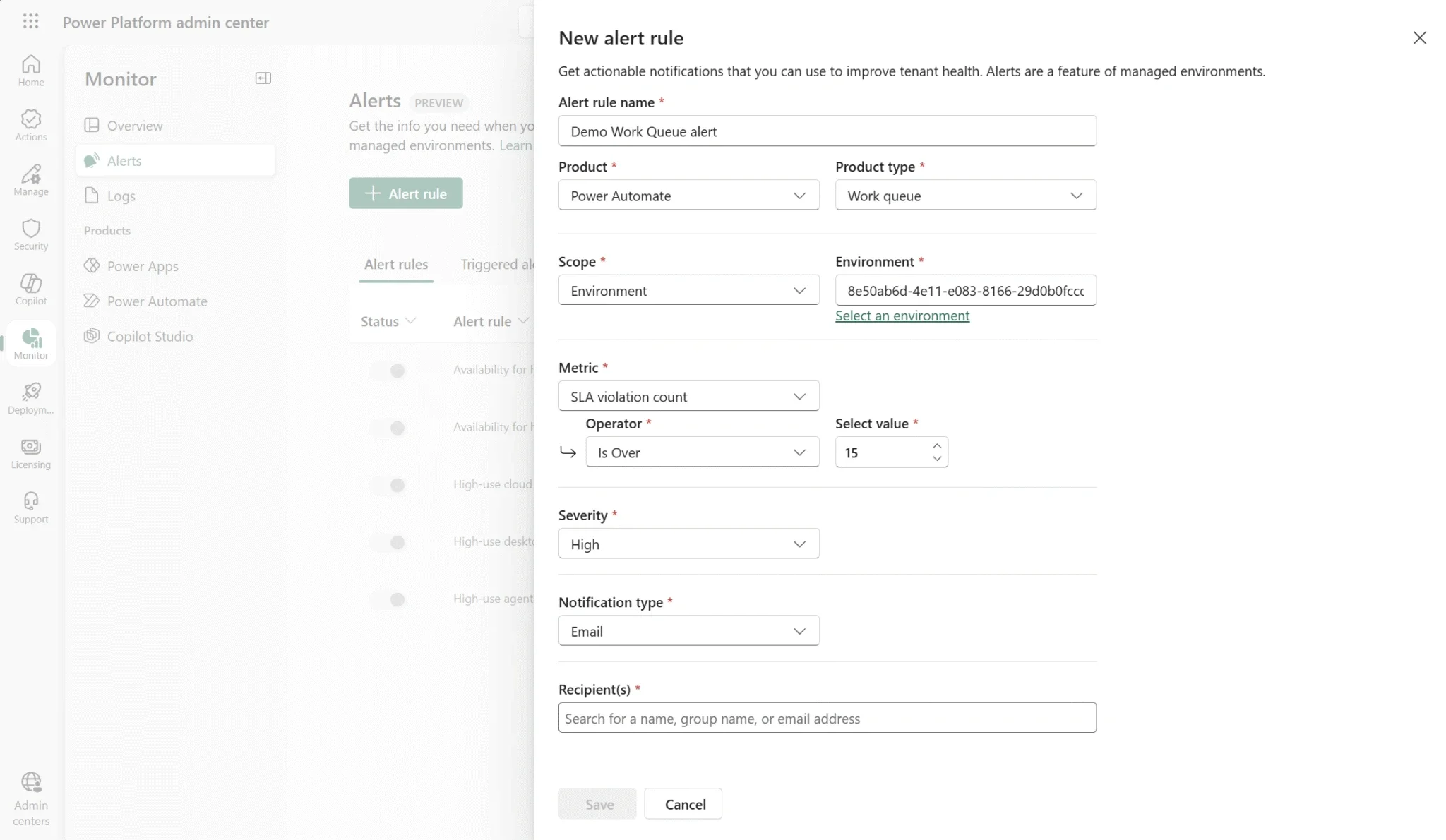
  • Work Queue Alerts for Admin

    Get real-time visibility into queue health and performance, including items pending action, requiring resolution, and overall queue status. You can also set proactive alerts when SLA thresholds are exceeded—so issues are flagged before they escalate.

  • Aggregated View for Operators

    Operators can now access a unified dashboard in the automation center, making it easier to monitor multiple queues, prioritise tasks, and respond to issues faster.

  • Why it matters

    Scale more efficiently, optimise resources, maintain consistent prioritisation, and improve resilience with centralised monitoring and exception handling.

Curious how Power Automate works in real scenarios? Explore our Cook Islands Development Agency New Zealand success story and reach out to learn more.

Visual Studio Launches Monthly Newsletter to Highlight Subscriber Benefits

Microsoft has introduced a new opt-in newsletter for Visual Studio subscribers, aimed at helping developers stay informed about the full value of their subscriptions. The monthly email delivers curated updates, exclusive resources, and insights directly to users’ inboxes—without the need to actively search for them. The move addresses a common gap where many developers are unaware of included benefits and tools.

Here’s what you need to know:

  • What is the Visual Studio Subscription newsletter?

    It’s a monthly email that keeps you updated on the latest features, training resources, and subscriber-only benefits.

  • Why did Microsoft launch it?

    A Visual Studio subscription is more than just an IDE—it includes Azure credits, Dev/Test pricing, access to platforms like Pluralsight and Cloud Academy, event discounts, and partner offers. The newsletter helps you actually use these benefits.

  • What’s inside

    Expect curated content like product updates, coding tips, on-demand training, benefit breakdowns, exclusive offers, and insights from the Visual Studio team.

  • Why you should care

    It helps you unlock hidden value in your subscription—so you can level up faster, save costs, and stay ahead with tools like GitHub Copilot, Microsoft Azure, and .NET.

  • Get started

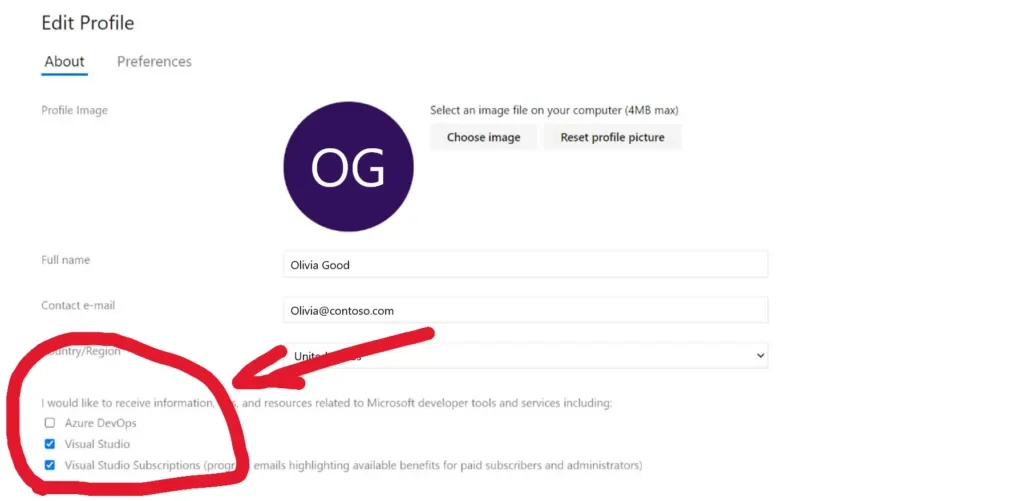
    Opt in to the Visual Studio Subscription newsletter and make sure to select “Visual Studio” and “Visual Studio Subscriptions” in your preferences.

Unlock more value from Dynamics 365 and the Power Platform with custom-built business applications tailored to your needs. Get in touch with us today to start the conversation.