Power BI’s Biggest Visualization Competition Is Back

Microsoft’s flagship data visualization competition, the Power BI DataViz World Champs, is officially back for another year, inviting analytics professionals and enthusiasts worldwide to push their creative and storytelling skills with fresh challenges. The global contest will span multiple rounds of curated datasets and culminate in a live finale at FabCon 2026, spotlighting top visual talent from the Power BI community.
Here’s what you need to know:

  • Contest Structure
    The competition runs across three rounds, each featuring a fresh challenge and curated dataset. Entries are evaluated through judges’ scoring and community fan voting, with one Wildcard finalist selected by the judges—leading to a live finale at FabCon 2026 on March 16.

  • Three Rounds – Key Dates
    Round 1 runs from January 12–19, followed by Round 2 on January 19–26, and the Final Round from January 26 – February 2.

  • Finalist Selection – Key Dates
    Community voting takes place from January 19 – February 14, with finalists announced weekly on January 26, February 2, February 9, and February 16, and the Wildcard revealed on February 16.

Discover how Power BI can turn your data into actionable insights. Explore Business Intelligence and contact us today.
Microsoft .NET Team Reflects on a Landmark Year of Developer Innovation

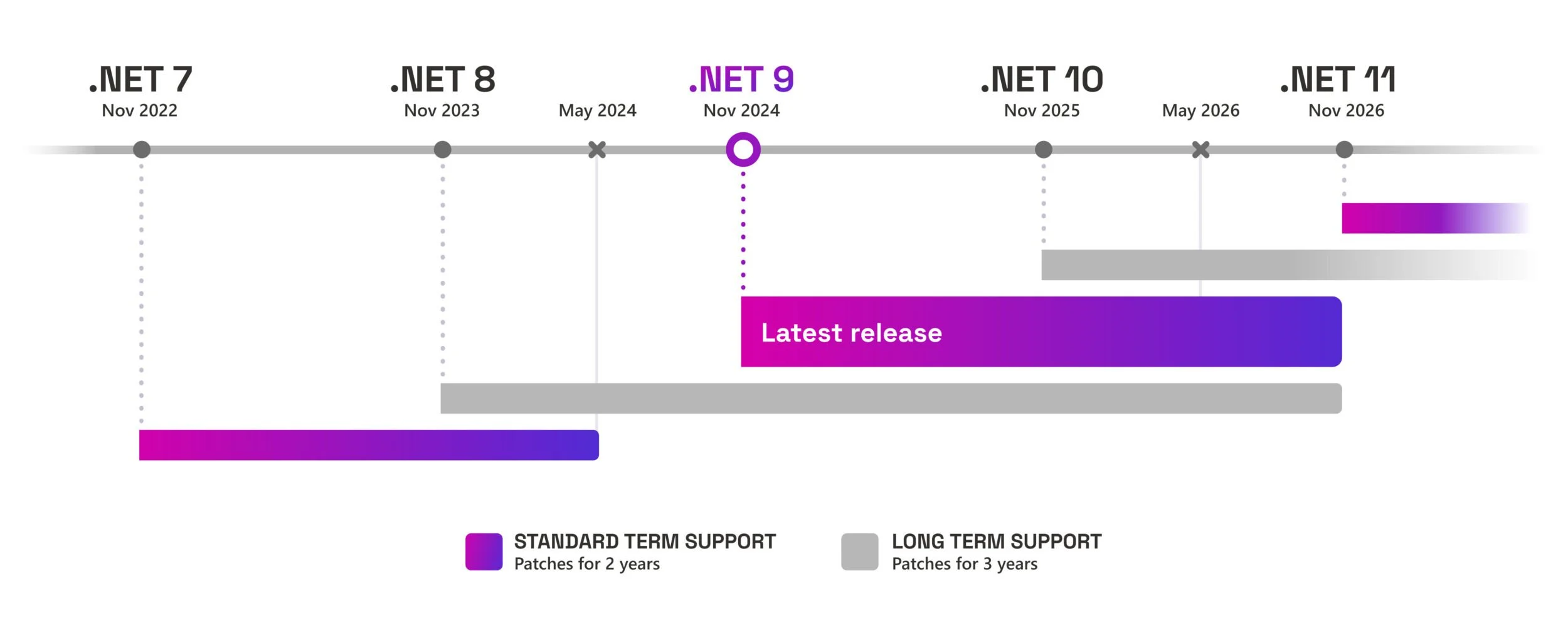
2025 proved to be a milestone year for the .NET community, marked by a surge in high-impact blog content spanning major platform releases, tooling updates, and ecosystem insights. The official recap highlights the most-read posts that shaped developer conversations across performance, AI, productivity and community engagement.

Here’s a quick recap:

  • .NET 10

    The headline release of the year. As the latest LTS version, .NET 10 delivered improvements across the runtime, SDK, libraries, languages, workloads, and tooling.

  • AI

    AI became part of everyday .NET development—from Copilot experiences to agents and tool integration patterns. Highlights included simpler AI agents for developers, building Model Context Protocol servers in C#, and the preview of new .NET AI templates.

  • Productivity

    Many posts focused on shortening feedback loops, whether through smarter Copilot workflows or faster “try this now” experiences—helping developers choose the right copilot approach, from Ask mode to Agent mode.

  • Announcements

    Some of the most impactful updates focused less on new features and more on how .NET is released, supported, and kept secure across the ecosystem.

  • Tooling

    Tooling also leveled up with support for SLNX, a simpler solution file format in the .NET CLI, and dotnet run app.cs, making it easier than ever to get started with C# and .NET 10.

Unlock more value from Dynamics 365 and the Power Platform with custom business applications designed for your workflows. Contact us to get started.

.NET Blog Explores Generative AI Foundations for .NET and C# Developers

Microsoft has published a new .NET Blog post introducing key generative AI and large language model concepts for C# developers as part of its 2026 .NET ecosystem guidance. The article offers a concise refresher on what AI and generative AI are, and how these technologies can be leveraged to create intelligent, responsive applications in .NET.

Here’s what you need to know:

  • What is Generative AI?

    Generative AI refers to systems that can create text, images, audio, code, and more. These systems are powered by Large Language Models (LLMs) trained on billions of tokens to generate intelligent, contextual outputs.

  • Tokens and parameters

    Models don’t read text directly—they break it into tokens such as words, fragments, or characters. Parameters are the trained weights that influence a model’s reasoning depth, knowledge, and nuance.

  • Prompts, instructions, and tools

    Prompts are what users send to the model, while system instructions act as a hidden blueprint guiding its behavior. Tools (or functions) allow the model to access real-world data and services like APIs, databases, or business systems.

  • Model Context Protocol (MCP) and agents

    MCP provides standards that let models understand which tools are available and how to use them. Agents combine a model, tools, and context into a specialized, goal-driven AI solution.

  • Model management in the .NET ecosystem

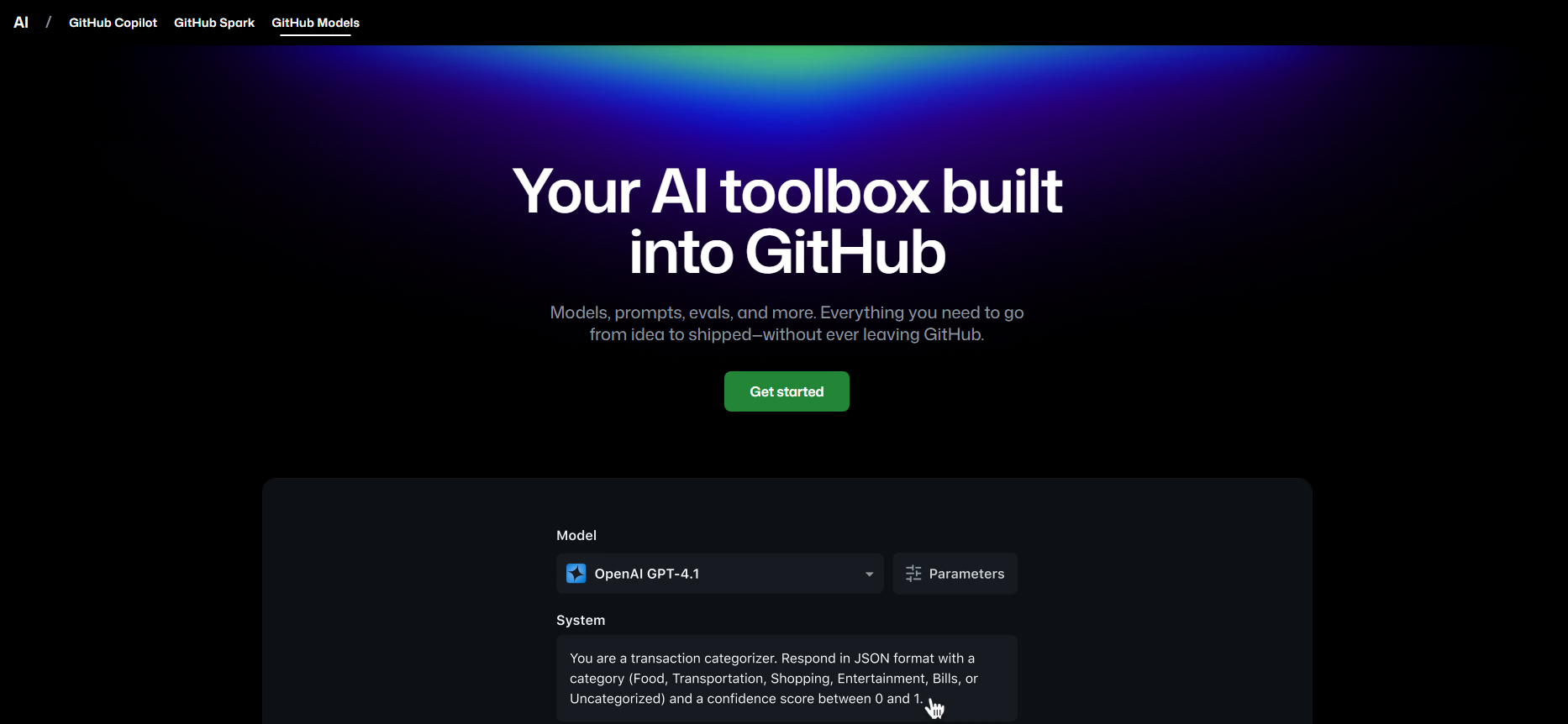
    The .NET ecosystem enables secure, trusted, and cost-effective AI using platforms like GitHub Models, Microsoft Foundry, Foundry Local, and Ollama. These tools help developers choose, host, and run models for both enterprise and local workloads.

Unlock AI that adapts to your business in Dynamics 365 and Power Platform. Explore Infinity AI Agents and get in touch today!

Visual Studio Live! 2026 Promises Hands-On, Deep Technical Training for Modern Devs

At the start of 2026, Microsoft is doubling down on experiential developer education with the launch of VS Live!, a series of immersive events that go beyond standard conference talks. Promising practical, scenario-based learning and direct expert engagements, the initiative aims to equip developers with skills for the evolving Visual Studio and modern development tooling.

Here’s what you need to know:

  • Must-watch VS Live playlists

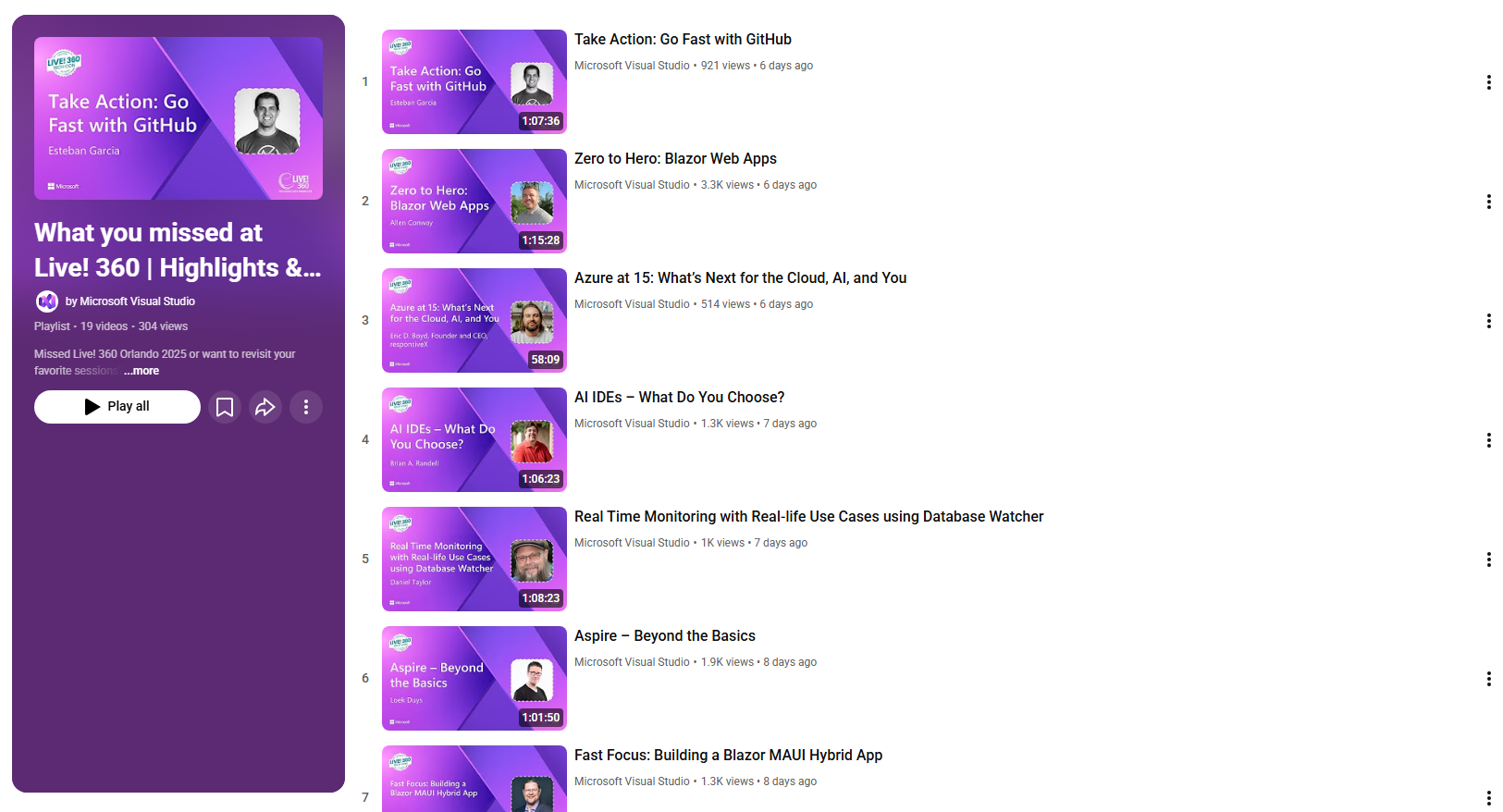
    Over the holidays, the Visual Studio team curated 19 standout VS Live sessions, covering everything from Visual Studio 2026 and C# Source Generators to next-level debugging with GitHub Copilot and advanced .NET techniques.

  • What makes VS Live different

    VS Live is built for hands-on learning. You code as you learn, solve real-world problems, and engage directly with experts shaping Visual Studio, .NET, and Azure.

  • Choose your immersion in 2026

    Join one of two immersive VS Live events this year: Las Vegas from March 16–20, 2026, or VS Live at Microsoft HQ from July 27–31, 2026.

  • Why join VS Live

    Get access to registration discounts (subscriber or not) and connect with the people behind Visual Studio, .NET, Azure, and GitHub Copilot—along with a global developer community.

Discover how custom business applications can improve process compliance, reduce manual data entry, and deliver information exactly where it’s needed. Contact us today.

Beat Procrastination and Start Building with Copilot in Visual Studio

Got projects you’ve been putting off for months—or even years? A new post from the Visual Studio team explores how AI-powered tools like Copilot can help developers break through procrastination and get back into building mode. Now’s the perfect time to get moving—with Copilot in Visual Studio by your side.

Here are three smart ways to jump-start your next project:

  • Build a static website—fast

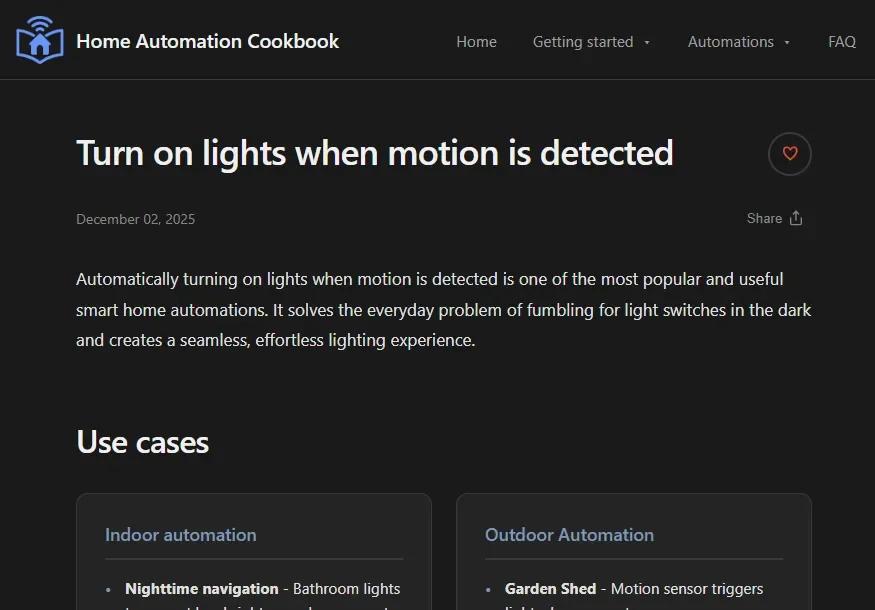
    Turn documents (like books or guides) into websites. Export your .docx to .txt, open an empty folder in Visual Studio, prompt Copilot with your desired layout and style, and watch it generate a site in seconds.

  • Extend a TOON language service

    Use Copilot to make your TOON language service fault-tolerant, improve parsing, and auto-generate unit tests based on specifications. Just click the Cloud Agent, describe your goal, and let Visual Studio plan the rest.

  • Create custom color themes

    Provide screenshots and ask Copilot to extract color tokens for the shell, environment, and syntax highlighting—then map them directly to the VS XML theme file.

Extend Dynamics 365 with custom apps that streamline processes, reduce data entry, and surface the right data at the right time. Discover custom business applicationscontact us today.

Power BI Expands Excel Drillthrough Support to Direct Lake and DirectQuery Models

Microsoft has removed the long-standing limitation that prevented Excel users from drilling into underlying data when connected to Direct Lake and DirectQuery Power BI semantic models. With the update, Excel’s Show Details feature now works consistently across Import, Direct Lake, and DirectQuery connections, enabling deeper data inspection directly from PivotTables without switching modes.

Here’s what’s new:

  • What’s new

    Power BI now enables drillthrough for Direct Lake and DirectQuery models, allowing you to double-click a PivotTable cell and view the underlying detail rows—even when connected live. No need to switch to Import mode for deeper analysis in Excel.

  • How it works

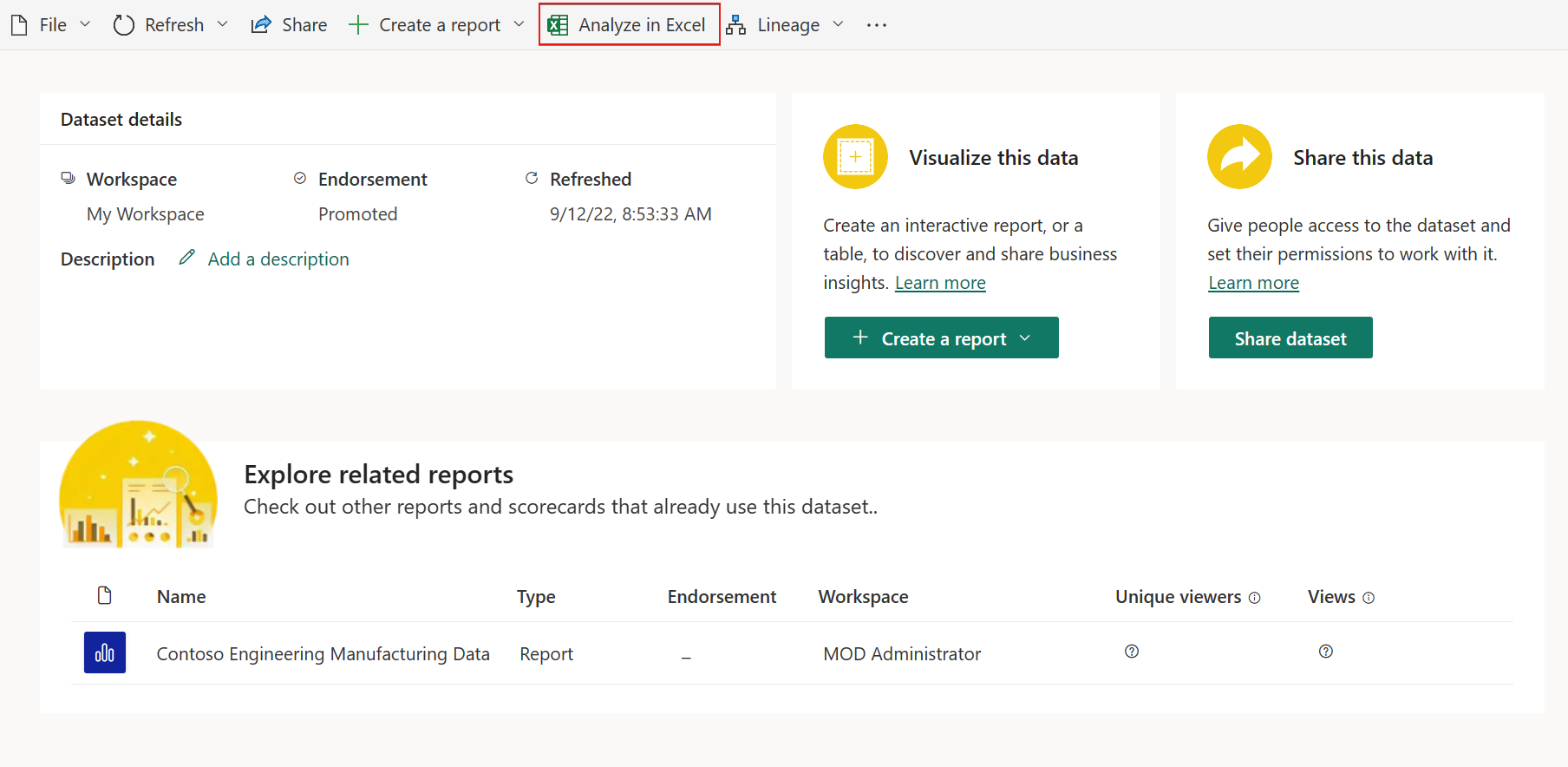
    Connect to your semantic model as usual using Analyze in Excel. Make sure you’re using explicit measures or fields that support detail rows, then double-click a leaf-level PivotTable cell to explore the data.

  • Performance considerations

    Drillthrough performance depends on the source system and query complexity—especially for DirectQuery models connected to external data sources.

See how the Independent Police Conduct Authority used Power BI to turn data into insights. Explore the case study and talk to us today.

Visual Studio 2026 Introduces AI-Driven Debugging Tools with Copilot Assistance

Visual Studio 2026 is bringing Copilot deeper into its debugging experience, with AI-driven exception analysis, smarter breakpoint handling, and inline insights that help developers understand code behavior in real time. These enhancements are designed to accelerate troubleshooting and reduce repetitive tasks during development.

Here’s what’s new:

  • Exception Assistance

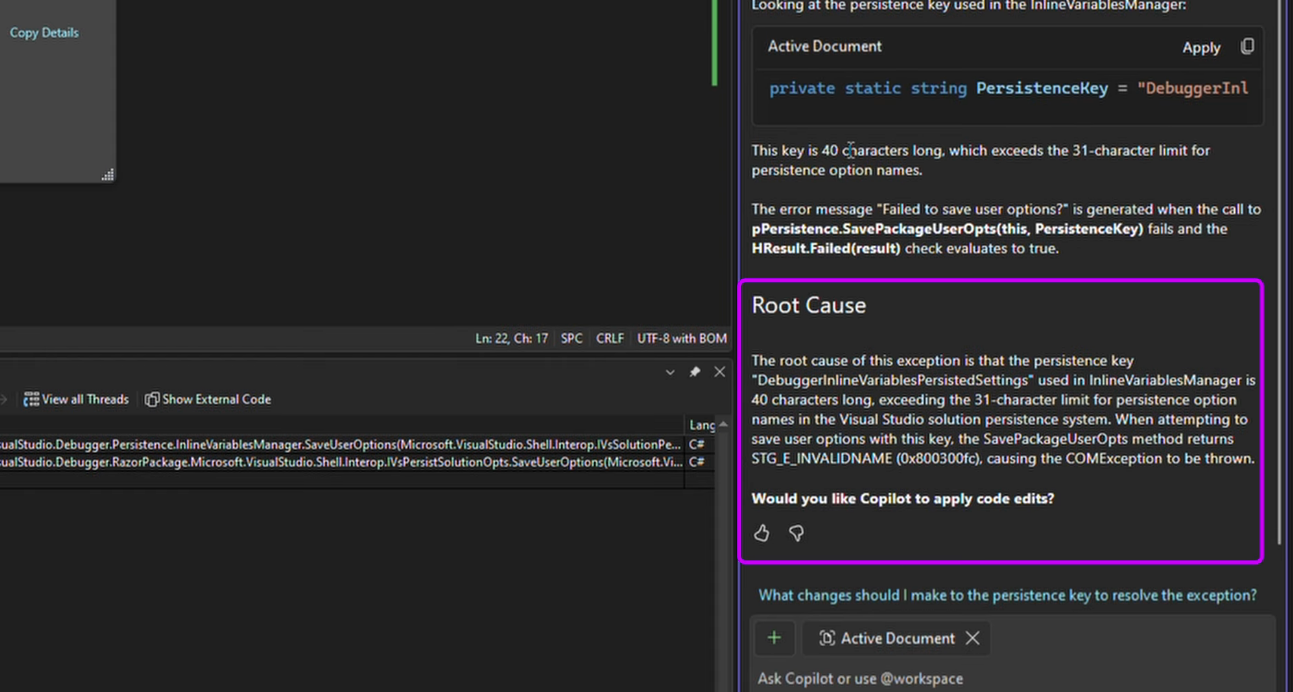
    Visual Studio analyzes your entire repository—not just the file you’re in. It reviews past bugs, pull requests, and previous fixes to detect similar issues, highlight affected code paths, and pinpoint where unexpected values may have been introduced.

  • Inline in Editor

    No more hunting for errors one by one. Debugging insights appear directly in the editor, clearly showing which part failed and how it impacted the final result.

  • Debug with Copilot

    When a test fails, the Debugger Agent reviews the test, its code, and recent changes. It proposes a fix, runs the test, refines the solution, and delivers a clear summary of what changed—and why.

Enhance Dynamics 365 and Power Platform with custom applications designed around your needs. Talk to us about custom business apps today.

Power BI Marks a Decade of Innovation in 2025 Holiday Recap

In its 2025 holiday recap, Microsoft Power BI celebrates a decade of innovation, highlighting major product advancements and global community events that defined the year. The Power BI 2025 year-end review underscores landmark moments—from its 10-year anniversary to breakthrough features empowering users to turn data into action faster than ever. Microsoft Power BI closes out 2025 with a celebration of ten years of impact, spotlighting community contests, anniversary initiatives, and powerful new capabilities.

Here are the highlights:

  • Leveling Up the Power BI Community

    Power BI launched a two-month learning bonanza with discounted certification vouchers, a nostalgic startup experience in Power BI Desktop, and the Power BI Data Viz Championships — a global competition celebrating data storytelling by the community.

  • Build Once, Model Anywhere

    Users can now create and edit semantic models directly in the Power BI service, achieving true parity with Power BI Desktop. This enables end-to-end development in the browser and empowers more users, including those on macOS.

  • From Insight to Action—Inside the Report

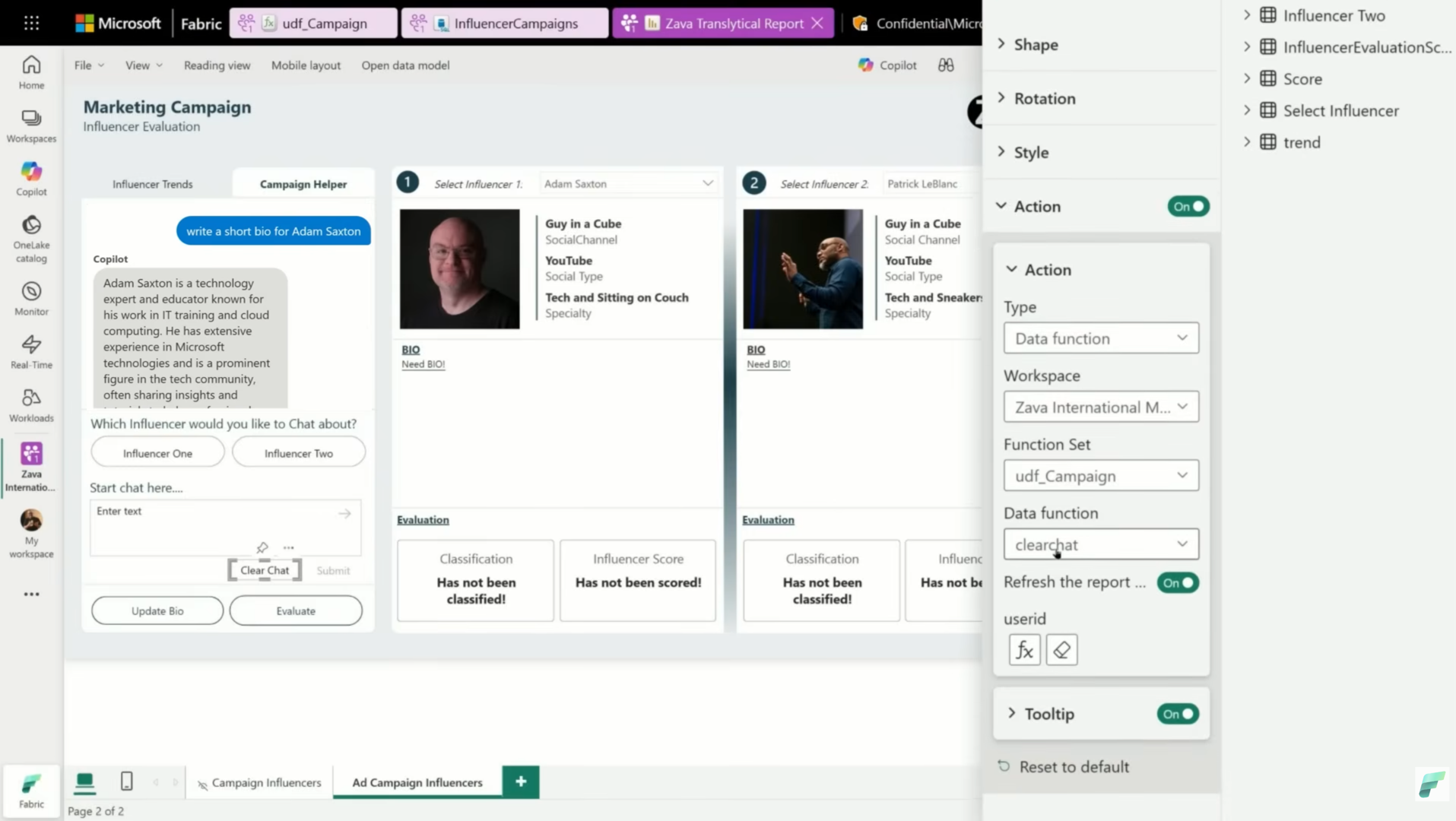
    With translytical task flows, users can now take action directly from reports—writing data back to source systems and turning insights into outcomes without leaving the experience.

  • Ask Questions. Get Answers. Instantly.

    Power BI introduced a full-screen “Chat with your data” experience, allowing users to ask natural-language questions and receive instant, secure answers from their reports, datasets, and apps.

  • Your Files, Now Analytics-Ready

    OneDrive and SharePoint shortcuts in OneLake (Preview) make it easy to analyze familiar files—Word, Excel, PowerPoint, and PDFs —alongside structured data, creating a single source of business context without duplication.

Unlock the full benefits of Power BI. Discover smarter business intelligencecontact us today!

Microsoft Pulls Back the Curtain on Visual Studio’s Feedback Engine

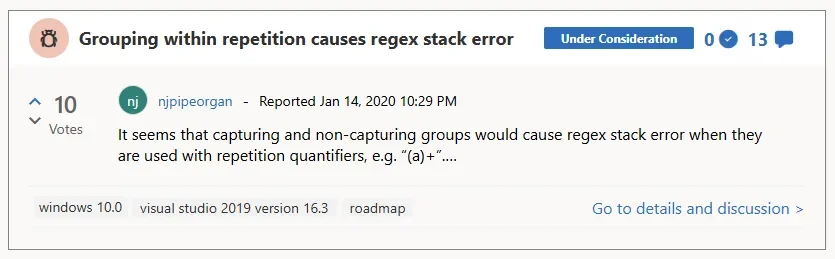
Microsoft has published a detailed behind-the-scenes look at how the Visual Studio feedback system works, explaining how bug reports and feature requests from the Developer Community become actionable engineering tickets. The post highlights how community engagement — including votes and comments — influences prioritization and resolution timelines, ensuring developer voices help shape the future of the IDE.

Here’s how it works:

  • How it starts

    Every bug report or feature request submitted via the Developer Community becomes a tracked ticket. It’s mirrored in Microsoft’s internal Azure DevOps system and routed to the right product team.

  • How your feedback is prioritized

    Community feedback is triaged alongside internal work. If an issue is impactful and aligns with product direction, it’s prioritized—no matter who submitted it.

  • What makes feedback impactful

    Engagement matters. Votes, comments, severity, and overall community traction increase a ticket’s score, helping Microsoft identify what users care about most.

  • Rollback scenarios

    If a new release disrupts your workflow, rollback-related feedback is treated as high priority to restore stability quickly.

  • Tips for submitting effective feedback

    Speed up resolution with a clear title, detailed reproduction steps, screenshots or recordings, and—when possible—a minimal reproducible project.

Looking for expert support for Dynamics 365 and Power Platform? Discover the Infinity Support Suitecontact us today.

Power Apps Enhances Planning with Visual Process Maps Now Generally Available

Microsoft has announced the general availability of Process Maps in Power Apps, expanding how teams plan and design business solutions. The update allows makers and stakeholders to visually map workflows directly within Power Apps plans, helping align requirements earlier in the development process. This release reinforces Microsoft’s focus on improving clarity and collaboration before apps are built.

Here’s what you need to know:

  • Why use Process Maps?

    Whether you’re building a new app or refining an existing one, process maps help teams align on steps, roles, and decision points early, reducing rework and misalignment.

  • What’s new?

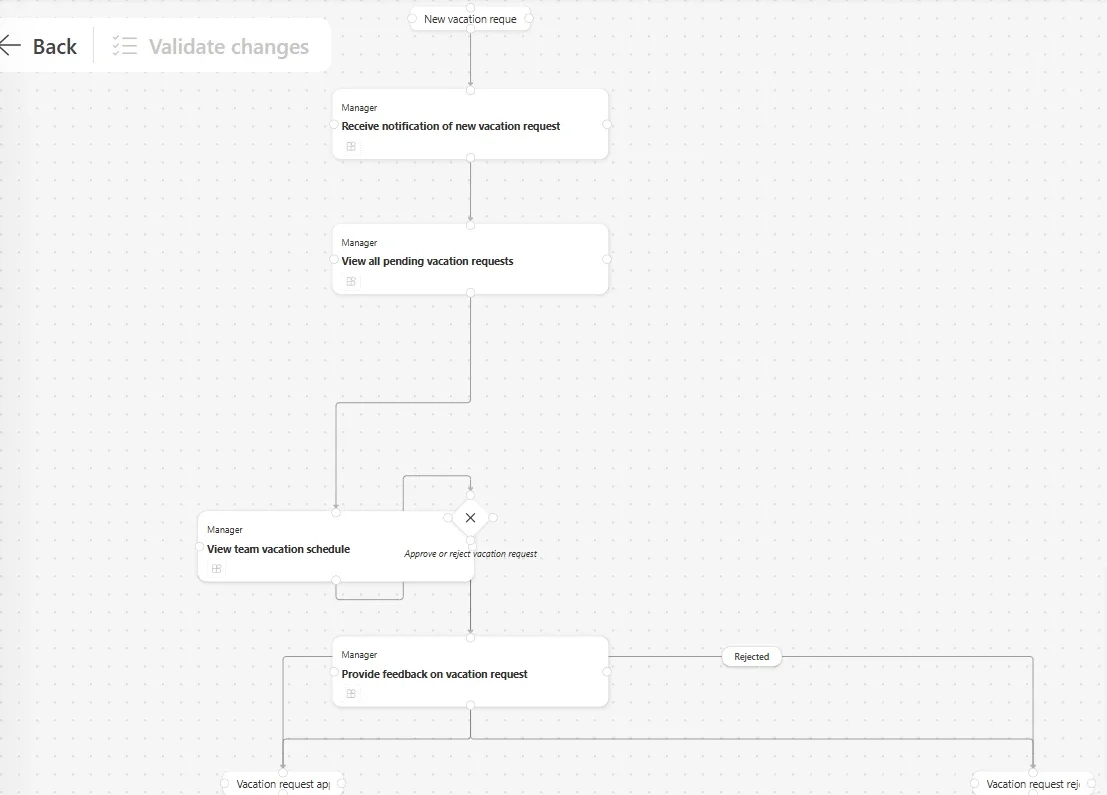
    Process Maps are now built into Plans, allowing you to visually design end-to-end workflows, collaborate with clearer user story mapping, and update processes using AI-assisted edits validated for consistency.

  • Why it matters for business solutions

    Visualizing processes upfront helps teams identify bottlenecks, reduce miscommunication, and minimize delivery risks—leading to faster decisions, smoother implementations, and better outcomes.

  • Business impact

    Organizations using process maps report faster project cycles, higher solution adoption, and stronger ROI.

  • How to get started

    Open the Plan Designer in Power Apps, create or select a plan, navigate to Process Maps, and start visualizing your workflows.

Unlock greater productivity in Power Apps and Dynamics 365 with Infinity AI Agents. Talk to us today.